
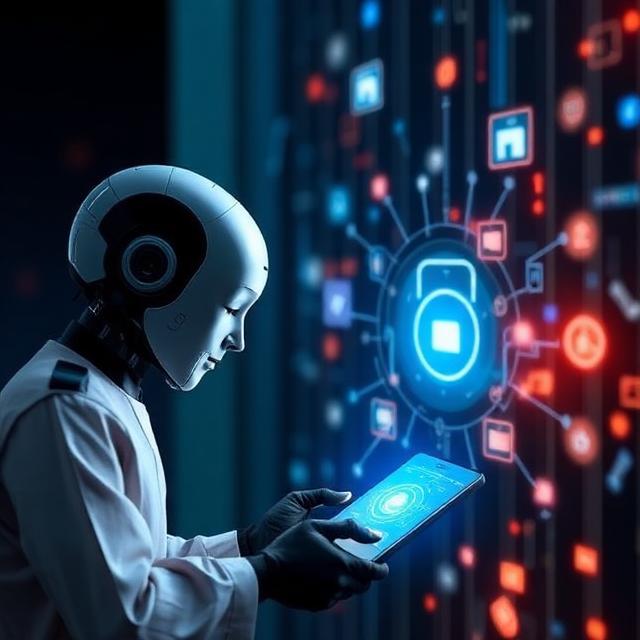
The traditional “one-size-fits-all” classroom model is being dismantled. In 2026, Artificial Intelligence has shifted from a controversial shortcut to the foundational infrastructure of modern learning. By moving away from standardized instruction toward personalized mastery, AI is closing the global skills gap and making high-quality education a personalized right rather than a geographic privilege.
Here are the 10 powerful ways AI is fundamentally redefining how we learn, teach, and develop professional skills.
1. The Rise of the 1-on-1 AI Tutor
AI tutors now provide 24/7, on-demand support that mimics elite private tutoring. Instead of just giving answers, these systems use Socratic questioning to guide students through problems, adapting their tone and explanation style to the learner’s unique personality and frustration levels.
2. Hyper-Personalized Learning Paths
AI eliminates “knowledge debt” by analyzing a learner’s past performance to identify specific cognitive gaps. It reconfigures the curriculum in real-time—slowing down for difficult concepts like fractions or nested loops, and accelerating through material the student has already mastered.
3. Intelligent Content Generation for Educators
Teachers now use AI to handle the administrative “grunt work.” With a single prompt, an educator can turn a textbook chapter into a series of interactive quizzes, flashcards, slide decks, and even a simplified podcast-style summary, allowing them to focus entirely on student mentorship.
4. Real-Time Language Immersion and Translation
The language barrier is effectively disappearing. AI enables real-time, low-latency translation of live lectures, allowing students to attend seminars in any language while hearing the content in their native tongue. It also allows learners to practice conversation with “native” AI speakers in a low-pressure environment.
5. AI-Powered Special Education & Accessibility
AI acts as a massive equalizer for students with learning disabilities. It can instantly reformat text into specialized fonts for dyslexia, convert visual diagrams into high-quality descriptive audio for the visually impaired, or use eye-tracking to help non-verbal students participate in coding bootcamps.
6. Gamification and Immersive Simulations
Static textbooks are being replaced by interactive environments. AI-driven simulations allow medical students to perform virtual surgeries or history students to “walk” through ancient civilizations. These environments react to the student’s choices, creating a high-retention “learn by doing” feedback loop.
7. Automated Grading and Instant Feedback
The “feedback delay”—waiting days for a graded essay—is a thing of the past. AI provides instant critiques on writing, math, and logic. It highlights not just what is wrong, but why it is wrong, allowing the student to iterate and correct their thinking while the concept is still fresh in their mind.
8. Predictive Analytics for Student Retention
AI acts as an early warning system for universities and trade schools. By analyzing patterns in engagement and assignment scores, it can predict which students are at risk of dropping out weeks before it happens, triggering human intervention and emotional support at the exact right moment.
9. Democratizing Elite Skill Development
High-tier professional coaching is no longer gated by cost. AI models trained on world-class academic and industry data provide a high-quality educational base for anyone. Professionals can enter a desired job title, and the AI will build a custom “bridge curriculum” focusing only on the specific skills they lack.
10. The Shift to “Human-Centric” Literacy
As AI takes over technical execution—calculation, basic coding, and data entry—the focus of education is shifting. Learning now prioritizes “AI Literacy”: knowing how to prompt, audit, and direct AI tools, alongside uniquely human traits like ethics, empathy, and complex critical thinking.
Frequently Asked Questions (FAQs)
Will AI replace human teachers?
No. AI replaces the lecturer (the information delivery) but amplifies the mentor (the human connection). Teachers are shifting toward roles as emotional coaches and high-level project facilitators.
How do schools prevent cheating with AI?
The focus is shifting from “banning AI” to “AI-integrated testing.” Students are increasingly evaluated through oral exams, in-person projects, and their ability to critique or improve AI-generated drafts.
Is AI-driven education expensive?
While the initial setup requires investment, AI drastically lowers the “per-student” cost of high-quality tutoring. One AI model can support millions of learners simultaneously, making elite education affordable at scale.
Does AI isolate students from their peers?
Actually, it does the opposite. By handling rote learning individually, AI frees up classroom time for collaborative debates, group problem-solving, and social activities that were previously pushed aside for lectures