

Millennials and Gen Z don’t shop the same way older generations did. They care about more than products, prices, or fancy ads. They want to support brands that stand for something. Brands that care about people, communities, and the planet. Brands that show their values through real action.
This shift has changed buying behavior across the world. If your brand wants to stay relevant to these audiences, understanding this mindset is no longer optional. It’s a must.
In this blog, you’ll learn why these two generations lean toward CSR-focused brands, what drives their choices, and how your business can win their trust without feeling forced or fake.
What CSR Means to Millennials and Gen Z?
CSR once sounded like something only big corporations cared about. Today, it matters to shoppers of all ages, but especially Millennials and Gen Z.
For them, CSR is not a corporate box to tick. It’s part of a brand’s identity. It shows what the company stands for when no one is watching.
Here’s what CSR usually covers:
• Social responsibility
• Community involvement
• Ethical sourcing
• Fair pay
• Environmental care
• Transparency in business practices
These generations grew up in a world with climate change, social issues, and rising inequality. So they look for brands that acknowledge these realities instead of pretending everything is fine.
Why Do Millennials and Gen Z Care More About Values Than Advertising?
They Want Brands That Match Their Beliefs
Millennials and Gen Z don’t want to support businesses that cause harm. They want to feel proud of where their money goes. When a brand supports causes related to the environment, education, equality, or local communities, it sends a message that resonates deeply.
If a brand’s values match their own, the relationship becomes more meaningful. It’s no longer about buying a product. It becomes a statement.
They Have Access to Information
These generations grew up with the internet. They research everything. They read reviews, compare options, and check how brands act behind the scenes.
If a company claims to care but its actions tell another story, they notice. And once they notice, they move on.
They Reward Transparency
Millennials and Gen Z don’t expect companies to be perfect. But they do expect honesty. A brand that openly talks about its challenges, mistakes, and progress gains far more respect than one that hides behind polished messaging.
When companies share real efforts, customers pay attention. And when they hide the truth, customers walk away.
The Emotional Connection That CSR Creates
Trust
CSR builds trust faster than any ad campaign. When a company shows its impact through real actions, it becomes relatable.
• Using eco-friendly packaging
• Supporting small farmers
• Donating a share of profits
• Treating employees fairly
These efforts show that the brand cares about more than profit.
Loyalty
Millennials and Gen Z are willing to stick with brands that align with their values, even if they have cheaper alternatives. A strong CSR foundation builds emotional loyalty the kind that lasts.
Shared Purpose
When customers feel like they are contributing to something bigger, they feel more connected. Buying becomes a way of supporting a cause, not just a product.

Pain Points Millennials and Gen Z Experience with Traditional Brands
They’re Tired of Empty Claims
Greenwashing, fake commitments, and vague promises have damaged consumer trust. When brands talk big but do little, younger shoppers notice.
They Feel Guilty Supporting Unethical Businesses
Many young consumers want to feel good about their purchases. If they feel a brand causes harm, they feel conflicted and avoid buying from them.
They Want Clarity, Not Confusion
Corporate language, complicated reports, or unclear sustainability claims make buyers suspicious. They want straight talk, not confusing statements.
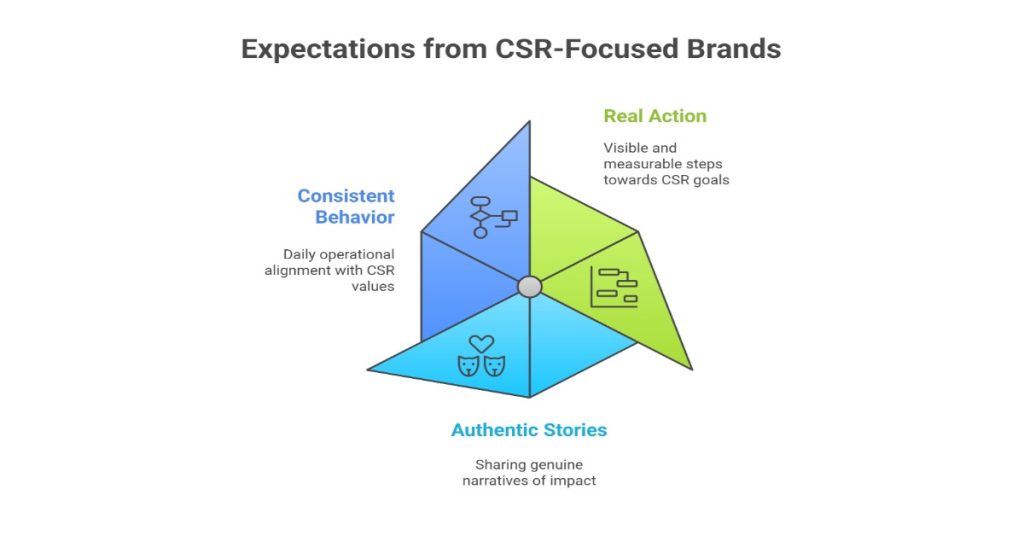
What They Expect From CSR-Focused Brands?
Real Action
A well-designed CSR page on a website means nothing if the company fails to act. Millennials and Gen Z want visible, measurable steps.
Examples include:
• Reducing single-use plastic
• Supporting mental health programs
• Offering fair wages
• Working with ethical suppliers
• Investing in renewable energy
The focus is on progress, not perfection.
Authentic Stories
When brands share stories of the people they help, the communities they support, or the changes they create, it feels real. These stories stick with people.
Consistent Behavior
CSR is not a seasonal campaign. It must show up in how the brand operates every day. Younger customers want consistency across products, communication, and actions.
How CSR Influences Buying Decisions?
They Prefer Brands With Purpose
A Deloitte study showed that a large percentage of Millennials and Gen Z choose brands that reflect their values. Purpose plays a direct role in their decisions.
They’ll Pay More for Ethical Choices
Many surveys show that younger consumers are willing to pay a higher price if the product is:
• Eco-friendly
• Ethically sourced
• Safe for the planet
• Made with fair labor
They don’t see it as an extra cost. They see it as part of their responsibility.
They Promote Brands They Believe In
These generations share what they love. If a brand supports a cause they care about, they talk about it online. They post, review, recommend, and spread the word not because they’re asked but because they genuinely want to.
How Your Brand Can Win Millennials and Gen Z?
Here’s how businesses can build trust and attract this audience:
Start With a Clear Purpose
Define what your brand stands for. It could be sustainability, education, equality, or fair trade. Make it simple. Make it honest. And share it clearly across your website, packaging, and communication.
Show Real Efforts
Avoid grand promises. Start with small, genuine actions. Share real progress and be transparent about what you’re working on.
Involve Your Community
Ask your customers what causes matter to them. Run programs that allow buyers to participate like donating with each purchase or volunteering opportunities.
Share Your Impact
Use blog posts, videos, or simple updates to show what you’ve achieved. Numbers, stories, and images help people feel connected.
Keep Your Words and Actions Aligned
Your CSR message should match your product quality, operations, and employee treatment. If you say you care, every part of your brand should reflect that.
Read More
How NGOs Can Pitch Their Projects to Corporations for Maximum Funding?

Unlocking the Power of CSR: How NGOs Can Benefit from Corporate Funding?

The Quickest Way to Connect with Corporate CSR Teams
Final Thoughts
Millennials and Gen Z aren’t impressed by brands that only chase profit. They connect with companies that care, act, and stand for something meaningful. When a business supports real causes, younger customers respond with trust, loyalty, and long-term engagement.
If you want your brand to stay relevant and win this audience, start with simple, honest actions. Show what you believe in. Share your progress openly. And commit to making a real difference.
When you do that, your brand becomes more than a product. It becomes a choice people feel good about and that’s what keeps them coming back.