

The Mahatma Gandhi National Rural Employment Guarantee Act (MGNREGA) has been instrumental in transforming the lives of many villagers across India. Launched in 2005, this act aims to provide at least 100 days of guaranteed wage employment in a financial year to every rural household.
But beyond just numbers and policy, it’s heartwarming to see real people share their success stories. This blog will take you through some inspiring transformations made possible through MGNREGA, along with a look at the challenges faced, solutions implemented, and the positive changes that have unfolded.
Understanding MGNREGA
Before diving into the success stories, let’s briefly understand what MGNREGA is and how it works. The act was created to improve the livelihood security of people in rural areas. It ensures that they have access to work, better earning, and the ability to improve their living conditions. This program is not just about wages; it’s about empowering communities, promoting self-reliance, and enhancing social dignity.
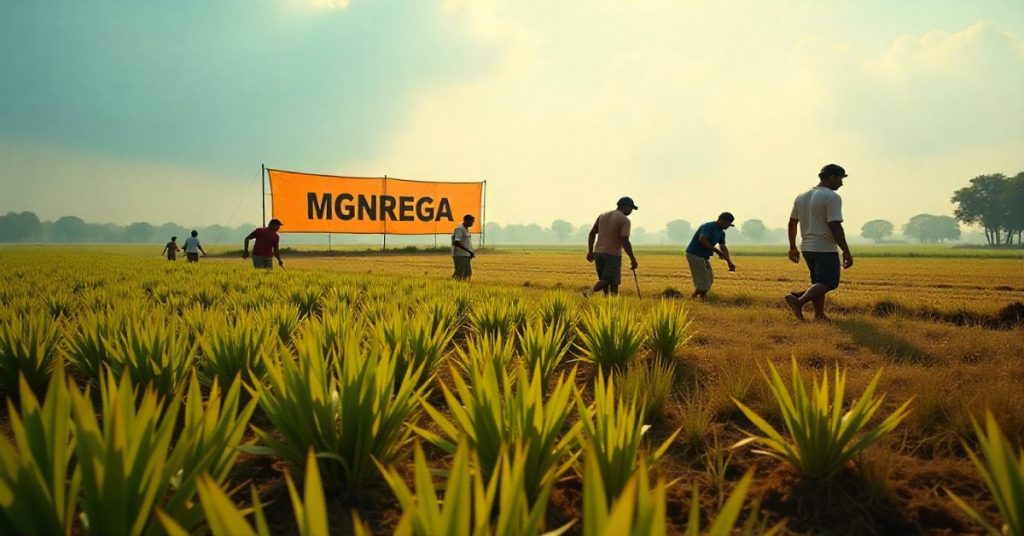
Villager Success Story 1: The Rise of Sanjay Kumar
Background: Struggles in Rural India
Sanjay Kumar, a farmer from a small village in Bihar, faced numerous challenges. With unpredictable weather patterns affecting his crops, he found it hard to support his family. His story of transformation began when he learned about MGNREGA.
The Change Begins
Sanjay started working under the scheme, which allowed him to earn a stable income. The wages helped him manage daily expenses while ensuring his children could continue their education. Over time, he saved enough to invest in better seeds and farming techniques, ultimately leading to a more productive harvest.
Outcome: A Brighter Future
Today, Sanjay’s farm yields enough produce to not just feed his family but also to sell in the market. This success has encouraged others in his village to utilize MGNREGA for economic betterment, creating a ripple effect of positive change.
Villager Success Story 2: Empowering Women – Nisha’s Journey
Background: Women and Employment
In many rural areas, women face additional challenges in accessing employment opportunities. Nisha, a mother of three from Rajasthan, found herself in a similar situation. Limited job prospects kept her in a cycle of poverty, but she was determined to change her family’s future.
Taking Advantage of MGNREGA
When Nisha learned about the MGNREGA program, she wasted no time enrolling. The initiative provided her with the opportunity to work in her village, where she participated in the construction of local infrastructure such as roads and schools.
Outcome: Breaking Barriers
With the wages she earned, Nisha not only supported her family but also gained confidence and respect within her community. Her success story stands as a testament to how MGNREGA can empower women to break social barriers, highlighting their critical role in economic growth.
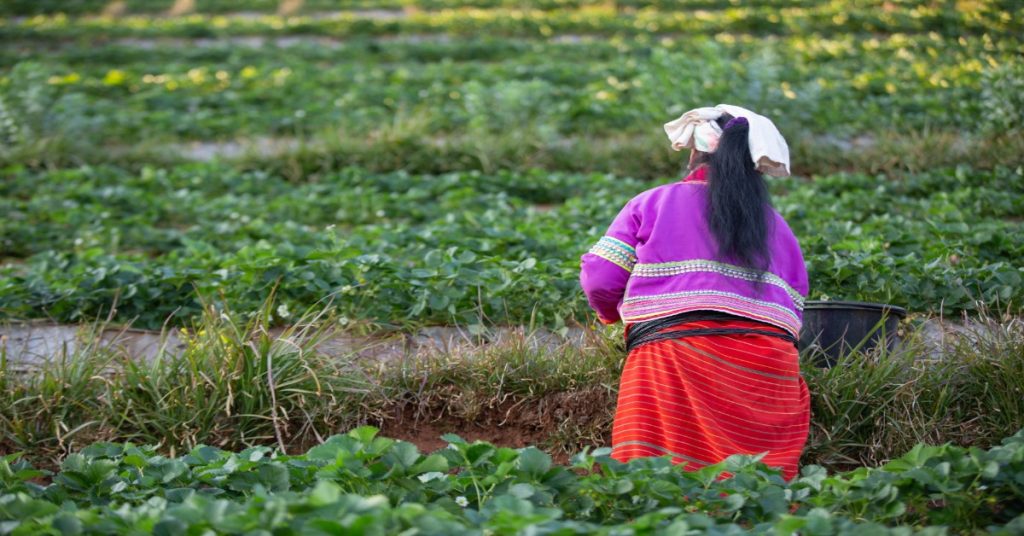
Villager Success Story 3: From Employment to Enterprise – Ram’s Vision
Background: The Need for Sustainable Livelihood
Ram, a young villager from Andhra Pradesh, always dreamed of starting his own business. However, the lack of financial resources and support made it seem impossible. MGNREGA provided the initial stepping stones he needed.
Building a Foundation
Ram started by taking up work under MGNREGA, which not only offered him regular income but also valuable skills and experience in construction and landscaping. With time, he saved enough money to start a small business in agriculture, focusing on organic farming.
Outcome: The Entrepreneur Emerges
Today, Ram runs a successful agricultural enterprise, employing other villagers and teaching them sustainable farming practices. His journey reflects the potential of MGNREGA to inspire entrepreneurship and contribute to the local economy.
Challenges Faced by Villagers
While the success stories are encouraging, it’s important to acknowledge the challenges that villagers often face while accessing MGNREGA benefits.
Awareness and Accessibility
Many villagers still lack awareness and information about the program. This leads to underutilization of resources that could significantly improve their quality of life. Additionally, rural infrastructure, like poor roads and inadequate facilities, may hinder their ability to participate effectively.
Delays in Payments
Timely wage payments are crucial for families relying on MGNREGA for their income. Delays can create financial strains and discourage people from participating in the program.

Solutions and Recommendations
To ensure that MGNREGA continues to have a positive impact on rural livelihoods, several solutions can be considered:
1. Increasing Awareness
The government and NGOs should work together to conduct workshops and informational sessions in villages. This initiative can equip villagers with knowledge about their rights under MGNREGA and how to avail the benefits effectively.
2. Streamlining Payment Processes
Advancements in technology could facilitate faster payment systems. The use of digital platforms for tracking payments and issuing wages can significantly reduce delays and improve trust in the system.
3. Training and Skill Development
Providing training programs that focus on skill development can help villagers improve their employment prospects. By learning new techniques or trades, they can enhance their income-generating opportunities.
Read More
MGNREGA and Social Inclusion: Building a More Equal India, One Job at a Time

How to Use the MGNREGA Mobile App for Job Applications?

How MGNREGA is Strengthening Agricultural Supply Chains?
Conclusion: A Community-Driven Future
The transformative stories of villagers like Sanjay, Nisha, and Ram shine a light on the potential of MGNREGA to change lives. They show that with determination, access to resources, and community support, meaningful change is possible.
Addressing the challenges of awareness, timely payments, and skill development can further enhance the impact of MGNREGA. As more individuals embrace this program, hope strengthens, and communities thrive.
Remember, every success story begins with a single step. By recognizing the potential within our communities and supporting each other, we can create a future where everyone has the opportunity to succeed.