

Raising kids in today’s fast-paced world feels like navigating an emotional minefield sometimes. One minute, your little one is beaming with joy over a new toy; the next, they’re in full meltdown mode because the toy won’t cooperate. As parents, we’ve all been there, heart pounding, wondering if this tantrum will ever end.
But here’s the good news: teaching kids to manage their emotions effectively isn’t some mystical skill reserved for super-parents. It’s a learnable process, backed by child psychology experts, that builds resilience, empathy, and even better sleep.
Emotional regulation in children is the ability to recognize, understand, and respond to feelings in healthy ways starts with us. It’s not about bottling up anger or forcing fake smiles. Instead, it’s guiding them to name that frustration, breathe through it, and choose a response that keeps everyone safe and connected.
Studies from the Gottman Institute highlight how early emotional coaching leads to kids who handle stress better and form stronger friendships. In this guide, we’ll dive deep into practical strategies, age-specific tips, and real-life examples to help you become your child’s emotion coach.
Why Emotional Regulation Matters More Than Ever?
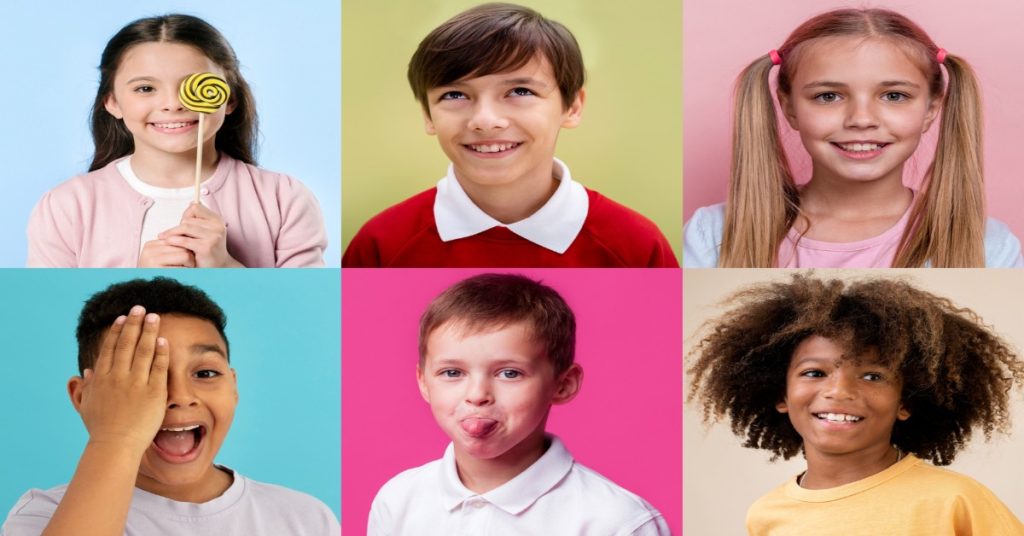
Picture this: A child who can pause during a playground argument, take a deep breath, and say, “I’m mad because you took my ball, let’s share.” That’s the power of emotional intelligence at work. Without it, kids might lash out, withdraw, or internalize stress, leading to issues like anxiety or low self-esteem later on.
Helping children with feelings isn’t just feel-good parenting; it’s science. The Child Mind Institute notes that self-regulation skills reduce impulsive behaviors and improve focus in school. In a world bombarded by social media comparisons and global uncertainties, equipping kids with these tools feels essential. They learn not just to survive big emotions but to thrive amid them.
Think about your own childhood. Did adults around you model calm under pressure, or did chaos reign? Our experiences shape us, but we get to rewrite the script for our kids. Starting small validates their joy as much as their tears lays the groundwork for lifelong emotional agility.
The Foundations: Building Emotional Literacy from the Ground Up
Before diving into techniques, let’s talk about the basics. Emotional literacy is the bedrock of regulation. It’s teaching kids the language of feelings so they can articulate “I’m overwhelmed” instead of throwing a toy across the room.
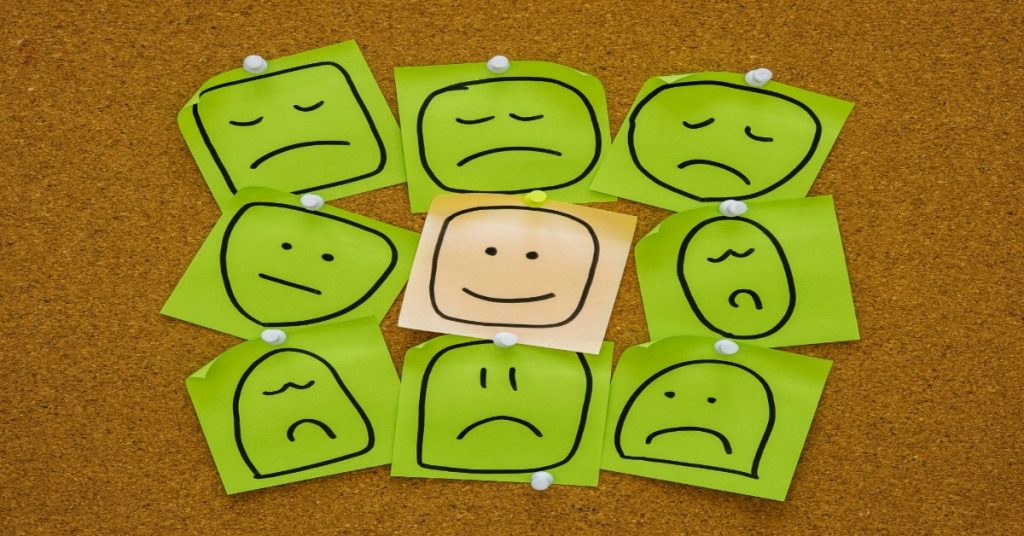
Begin with observation. Notice cues: furrowed brows for worry, clenched fists for anger. Narrate without judgment: “Your face looks scrunched, are you feeling a bit worried about the dark?” This mirrors back their experience, making abstract emotions concrete.
Books are goldmines here. Snuggle up with “The Color Monster” or “When Sophie Gets Angry,” pausing to ask, “How do you think Sophie feels? What would you do?” These stories normalize big feelings, showing they’re universal, not shameful.
Consistency counts. Daily emotion check-ins, even at dinner, normalize the practice. “On a scale of wiggle to calm, where are you today?” Over time, this builds a vocabulary that empowers kids to self-identify before emotions snowball.
Age-by-Age Roadmap: Tailoring Strategies to Developmental Stages
Kids aren’t mini-adults; their brains wire differently at each stage. What works for a tantrum-throwing toddler flops with a tween eye-roller. Let’s break it down, drawing from Gottman research on phased emotional development.
Infants (0-12 Months): Co-Regulation Through Connection
Babies don’t manage emotions, they absorb yours. Their cries signal needs, but responsive caregiving teaches trust. Hold them close during fussy spells, using soft songs like “Twinkle Twinkle” to soothe.
Research shows play songs outperform lullabies for calming aroused infants, maintaining neutral states longer. Sing while rocking; the rhythm regulates their nervous system. You’re not fixing feelings yet you’re modeling safety.
By six months, encourage self-soothing like thumb-sucking. Mirror calm: If you’re stressed, step away briefly, breathe, return centered. Infants pick up on your vibe, learning emotions are temporary waves.
Toddlers (1-3 Years): Validation and Distraction as Superpowers
Toddlers feel everything intensely, their prefrontal cortex is still baking. Fear tops the tough-emotion list, per developmental studies. Tantrums? They’re not defiance; they’re regulatory overload.
Validate first: “You’re so mad the blocks fell down. That’s frustrating!” Then distract: “Look, a red truck! Want to push it?” Situation selection choosing calmer activities prevents meltdowns proactively.
Name emotions in play: During block-building, say, “The tower’s wobbly might make us nervous.” This three-phase process identify, trigger-spot, manage starts here, fostering independence.
Preschoolers (3-5 Years): Introducing Tools for Self-Soothing
Preschoolers grasp “appropriate” vs. “inappropriate” expressions but struggle naming them. Enter emotion wheels: Color-coded charts with faces for happy, sad, scared. Hang one on the fridge; reference during calm chats.
Teach simple coping: “When you’re angry, squeeze your teddy tight.” Physical outlets channel energy safely. Role-play scenarios: “Pretend the cookie broke, what do you say?”
Avoid invalidation like “Big boys don’t cry.” It breeds shame. Instead, model: Share your mild frustration “I’m annoyed traffic’s slow, so I’m breathing deep.” They mimic what they see.
School-Age Kids (6-12 Years): Reflection and Problem-Solving
By school age, kids differentiate emotions but need triggers unpacked. Journaling shines: “What made you feel jealous at recess? What helped?” This builds metacognition.
For anger management techniques for kids, try “stoplight” thinking: Red (pause), yellow (think), green (act). Discuss outcomes: “Yelling got you in trouble last time—what’s another way?”
Encourage empathy: “How might your friend feel if you grab the toy?” Peer dynamics intensify here, so group games like emotion charades reinforce social cues.
Tweens edge into abstract feelings like embarrassment. Validate secondary emotions: “It’s okay to feel guilty after arguing that shows you care.” Guide toward apologies or make-ups, turning regrets into growth.

Core Techniques: Your Toolkit for Everyday Emotional Wins
Now, the meat: Proven methods to teach kids emotional regulation. These aren’t one-offs; weave them into routines for lasting impact.
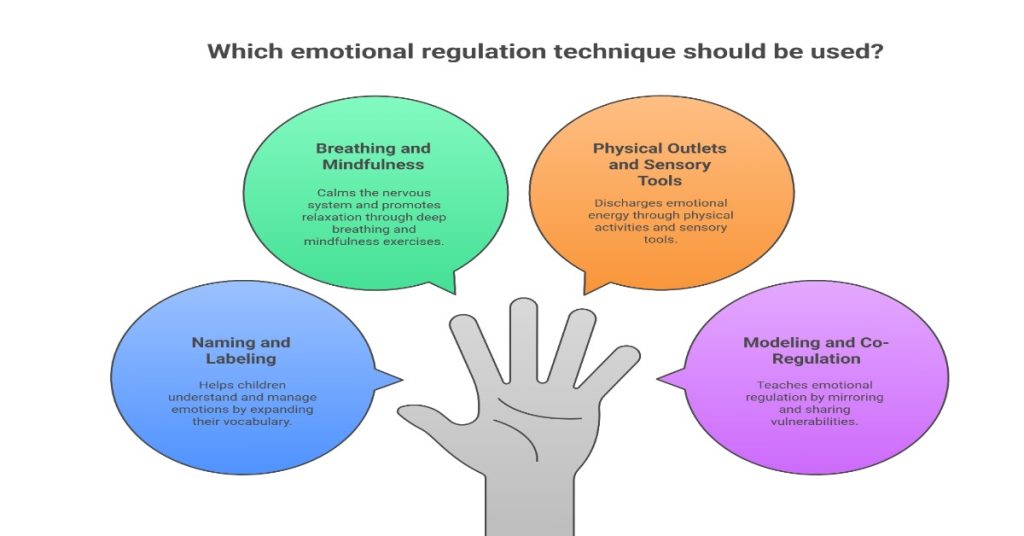
Naming and Labeling: The First Step to Control
You can’t manage what you can’t name. APA experts urge teaching emotion words during neutral times not mid-meltdown. Use mirrors: “Show me your happy face. Now your grumpy one.”
Expand vocab: Beyond mad/sad, introduce frustrated, disappointed, excited. Apps like “Mood Meter” gamify this for older kids.
In action: During a sibling spat, say, “You’re disappointed she won’t share. Tell her that.” Words diffuse intensity, shifting from reaction to response.
Breathing and Mindfulness: Calming the Storm Inside
Deep breathing hacks the nervous system, signaling “safety” to the brain. For little ones, “balloon breaths”: Inhale to inflate belly, exhale to deflate.
Mindfulness for children keeps it playful “Listen to five sounds around you.” Child Mind Institute scaffolding starts simple: Coach through breaths during low-stress moments, then apply to real upsets.
Progressive muscle relaxation suits wiggly bodies: Tense toes, release. Bedtime routines with guided imagery “Picture floating on a cloud” eases into sleep, regulating overnight.
Physical Outlets and Sensory Tools: Move It to Lose It
Emotions are energy; kids need to discharge. Jumping jacks for joy, stomping for anger movement metabolizes feelings.
Sensory kits rock: Stress balls for squeeze, playdough for knead. Create a “calm corner” with timers: Five minutes to unwind, then rejoin.
For high-energy days, yoga poses like “volcano breath” (hiss out frustration) blend fun with function. Track what works—your child’s “go-to” might be doodling over dancing.
Modeling and Co-Regulation: You’re Their Mirror
Kids are sponges for your reactions. Kazdin from Yale says “do as I do” trumps lectures. Stuck in traffic? Verbalize: “I’m irritated, so I’ll hum a tune.”
Co-regulate in tandem: During their upset, sit close, breathe together. Your calm anchors theirs, teaching proximity heals.
Share vulnerabilities age-appropriately: “I felt nervous before my meeting, but talking helped.” It humanizes you, showing regulation’s a skill, not perfection.
Addressing Common Questions: Insights from Parents and Experts
Parents often wonder about specifics. Let’s tackle five frequent queries head-on, blending research with real-talk advice.
How Do You Teach Emotional Regulation to Toddlers?
Toddlers’ worlds are a whirlwind of “mine!” and no’s. Start with empathy: Get eye-level, name the feeling “Oof, that hurt your knee. You’re sad.” Avoid “shush”—it teaches suppression.
Distraction rules: Redirect to a favorite toy or song. Gottman advises situation modification, like shortening overwhelming outings. Practice “dry runs”: Role-play sharing before playdates.
Consistency builds neural pathways. One mom shared: “My two-year-old now says ‘mad’ and hugs her bear—tantrums dropped 80%.” Patience pays; their brains catch up.
What Are Effective Coping Skills for Kids?
Coping isn’t one-size-fits-all, but categories help. Relaxation: Belly breaths or progressive squeezes. Distraction: Puzzles or silly dances. Movement: Runs or yoga flows. Thinking: Reframing “This is tough, but I can try again.”
YouTube channels like Mental Health Center Kids demo three steps: Notice, choose skill, act. Customize: Sensory seekers love fidgets; thinkers prefer lists.
Track in a family chart—what calms Johnny might rev up Jane. Rotate to prevent boredom, aiming for a personal toolkit by age 7.
How Can Parents Model Emotional Management?
Modeling’s your superpower—kids imitate 90% subconsciously. Narrate your process: “I’m excited for pizza, but waiting’s hard—counting helps.”
During conflicts, pause visibly: “Deep breath… okay, let’s fix this.” Reddit parents swear by Dr. Becky’s approach: Show upset doesn’t halt life—color through frustration, then continue.
Flaws included: Admit “I snapped; sorry, I was tired.” It teaches repair, not perfection. Your authenticity inspires their honesty.
When Should Kids Learn to Manage Anger?
Anger education ramps up around 3-4, when preschoolers grasp cause-effect. Earlier, it’s co-regulation; later, independence.
Prevent Child Abuse Virginia suggests labeling during play: “The doll’s mad her dress tore.” By 5-6, introduce “cool-down laps” or journals.
Signs they’re ready: They name anger without exploding. If meltdowns persist past 5, scaffold more break triggers into steps, per Child Mind pros. Anger managed early wards off bullying or withdrawal.
What Activities Help Children Express Emotions?
Play’s the gateway, it’s safe, fun, expressive. HealthyChildren.org recommends “let-it-out” zones: Clay for smashing, journals for scribbling fury.
Emotion charades: Act out joy, guess aloud. Art therapy: Draw “inside my heart today.” Music: Bang drums for rage, sway to soothe.
Outdoor twists: Nature walks spotting “happy trees.” Family game nights with “feelings bingo” build bonds. Variety keeps it engaging rotate weekly.

Tackling Challenges: When Techniques Hit Roadblocks
Not every day’s a win. Resistance? They might push back: “Breathing’s dumb!” Meet halfway—pair with their fave, like superhero poses.
Cultural nuances matter; some families emphasize stoicism. Bridge it: Honor heritage while adding tools—”Our elders stayed strong; breathing helps us do that inside.”
For neurodiverse kids, adapt: Visual timers for ADHD, weighted blankets for sensory needs. If struggles signal deeper issues like anxiety, consult pros early intervention amplifies gains.
Tantrums persisting? Log patterns: Hunger, tiredness trigger 70%. Preempt with routines. Celebrate efforts: “You named that sad feeling—high five!”
Integrating Emotions into Family Life: Long-Term Habits
Make it holistic. Bedtime wind-downs with gratitude shares process the day. School tie-ins: Chat recess dramas, brainstorm tomorrow’s toolkit.
Community counts parent groups swap tips, normalizing the journey. Apps like Calm Kids offer guided sessions, but screen time’s no sub for your presence.
Track progress quarterly: Fewer outbursts? Deeper convos? Adjust as they grow. Remember, you’re planting seeds; blooms take time.
Read More
Why Emotional Intelligence Matters for Kids? (And How to Teach It)

The Best Kids’ Programs for Teaching Problem-Solving Skills

Why Public Speaking is a Must-Have Skill for Your Child?
Wrapping Up: Empowering the Next Generation of Emotion Navigators
Teaching kids to manage emotions effectively transforms family dynamics from reactive chaos to proactive harmony. It’s messy, trial-and-error work, but the payoff? Resilient humans who weather life’s storms with grace.
Start today: Pick one technique, model it once. Your calm voice in their inner dialogue lasts a lifetime. You’ve got this because they have you.