
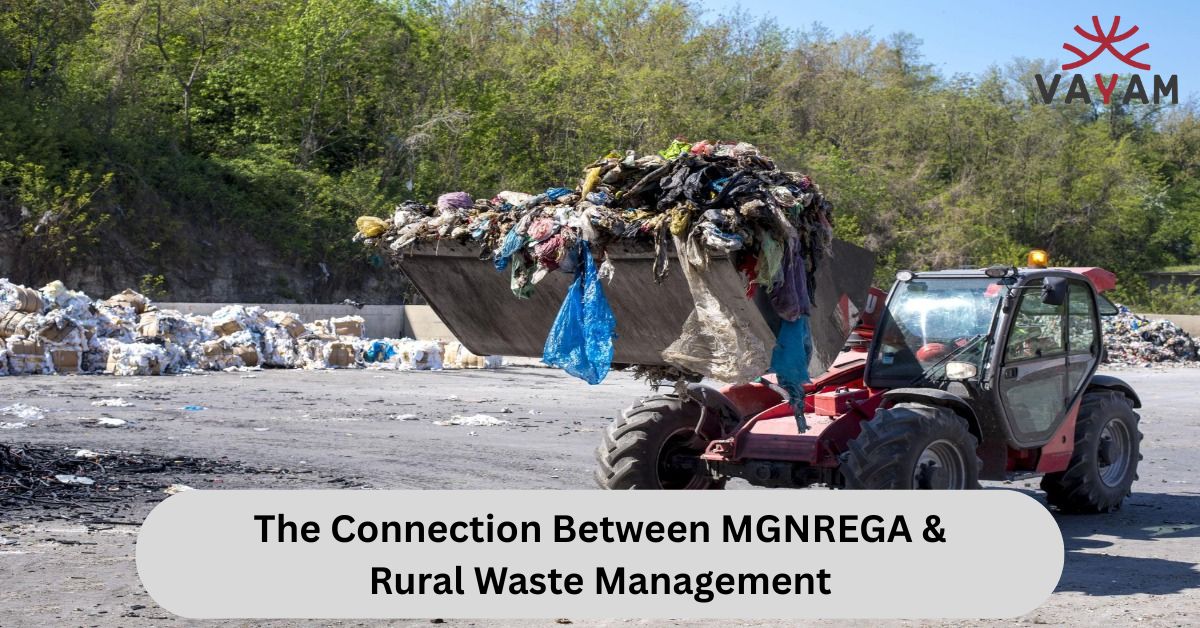
The Mahatma Gandhi National Rural Employment Guarantee Act (MGNREGA) has been a game-changer for rural India, providing employment opportunities and improving livelihoods. One often-overlooked aspect of MGNREGA is its potential to transform rural waste management.
MGNREGA’s focus on creating durable assets, such as water conservation structures, irrigation canals, and rural roads, has led to improved infrastructure in rural areas. This, in turn, has created opportunities for better waste management practices.
Waste Management Initiatives under MGNREGA
MGNREGA has enabled the creation of waste management infrastructure, including:
- Solid Waste Management: Construction of compost pits, dumping grounds, and waste segregation facilities.
- Liquid Waste Management: Development of drainage systems, soak pits, and waste water treatment plants.
- Bio-gas Plants: Installation of bio-gas plants to manage organic waste and produce energy.
These initiatives have improved sanitation, reduced pollution, and promoted eco-friendly practices in rural areas.
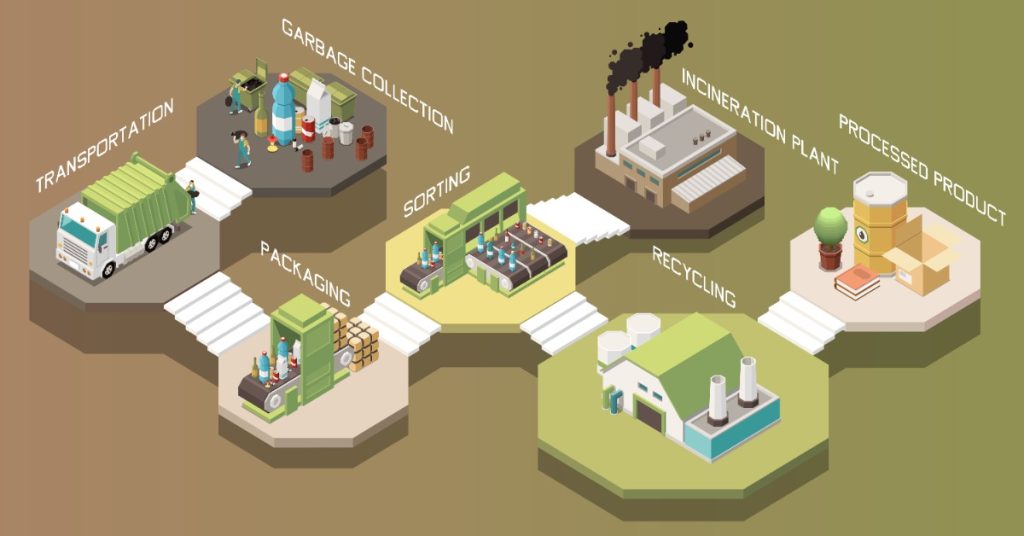
Benefits of MGNREGA in Rural Waste Management
MGNREGA’s involvement in rural waste management has numerous benefits, including:
- Employment Generation: MGNREGA provides employment opportunities for rural communities, including waste management workers.
- Improved Health: Proper waste management reduces the risk of waterborne diseases and promotes a cleaner environment.
- Environmental Conservation: MGNREGA’s focus on sustainable practices, such as composting and bio-gas production, reduces greenhouse gas emissions.
Challenges and Opportunities
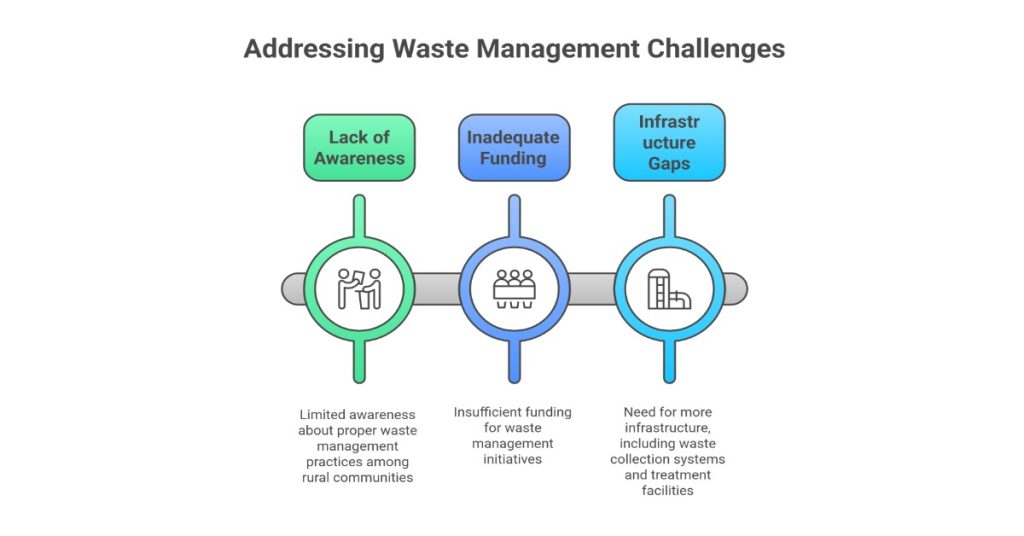
Despite the progress made, there are challenges to be addressed, such as:
- Lack of Awareness: Limited awareness about proper waste management practices among rural communities.
- Inadequate Funding: Insufficient funding for waste management initiatives.
- Infrastructure Gaps: Need for more infrastructure, including waste collection systems and treatment facilities.
People Also Ask (PAA) Questions
1. How does MGNREGA contribute to rural waste management?
MGNREGA contributes to rural waste management by creating infrastructure, generating employment, and promoting sustainable practices.
2. What are the benefits of MGNREGA in rural areas?
MGNREGA benefits rural areas by providing employment, improving infrastructure, and promoting environmental conservation.
3. How can MGNREGA improve waste management in rural India?
MGNREGA can improve waste management in rural India by increasing awareness, providing funding, and developing infrastructure.
4. What are the challenges faced by MGNREGA in implementing waste management initiatives?
MGNREGA faces challenges such as lack of awareness, inadequate funding, and infrastructure gaps in implementing waste management initiatives.
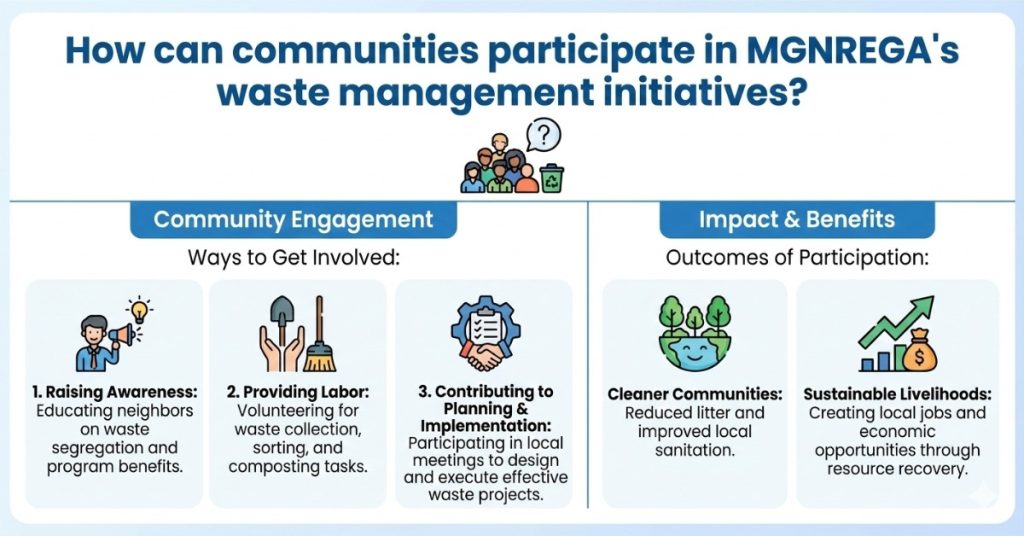
5. How can communities participate in MGNREGA’s waste management initiatives?
Communities can participate in MGNREGA’s waste management initiatives by raising awareness, providing labor, and contributing to planning and implementation.
Read More
Success Stories: Villagers Who Transformed Their Lives with MGNREGA

MGNREGA and Social Inclusion: Building a More Equal India, One Job at a Time

How to Use the MGNREGA Mobile App for Job Applications?