
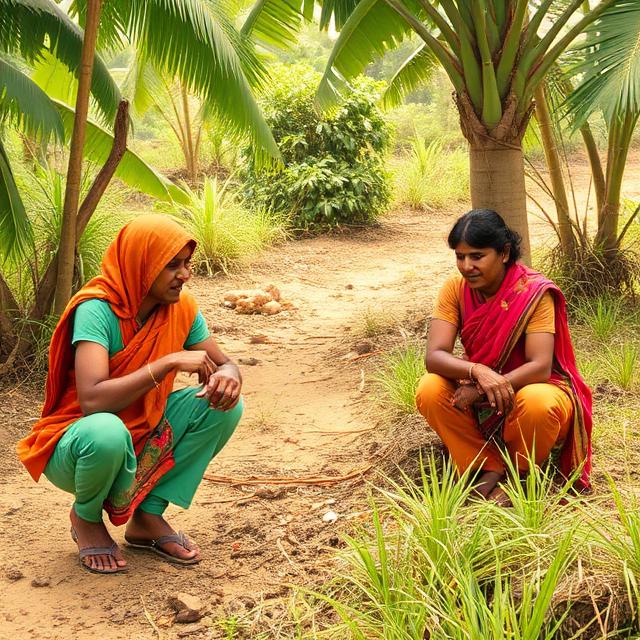
Empowering the Backbone: AI for Rural Livelihoods in India
India is currently witnessing a paradigm shift. As of 2026, the conversation has moved from whether AI will replace jobs to how it can augment the lives of the 500 million informal workers who form the bedrock of the Indian economy. From the salt pans of Gujarat to the tea gardens of Assam, “Human-Centric AI” is no longer a buzzword—it is a lifeline.
Designing systems for this massive, diverse workforce requires more than just high-speed GPUs; it requires empathy, localized language models, and a “voice-first” philosophy.
1. The Challenge: Bridging the “Digital & Literacy” Chasm
For a construction worker in Bihar or a smallholder farmer in Odisha, a traditional app interface is often a barrier, not a bridge. The primary hurdles include:
- Linguistic Diversity: Over 22 official languages and hundreds of dialects.
- Literacy Gaps: Text-heavy interfaces exclude a significant portion of the informal workforce.
- Trust Deficit: A history of opaque middleman systems makes workers wary of “black-box” algorithms.
2. Human-Centric Design Pillars
To truly serve the informal sector, AI systems in 2026 are being built on three core principles:
Voice-First & Multilingual (Bhashini)
The Bhashini platform has become the gold standard. By integrating real-time speech-to-speech translation in 36+ Indian languages, AI assistants now allow workers to “talk” to their government.
- Example: A street vendor can ask a voice bot about their eligibility for the PM SVANidhi scheme in their local dialect and receive an instant, spoken response.
The “Digital ShramSetu” Mission
Launched to bridge the gap between skills and opportunity, the Digital ShramSetu mission uses AI to:
- Map Skills to Demand: Analyze local market trends to suggest micro-skilling courses.
- Automated Resumes: Help daily wage laborers create digital identities and professional “video resumes” using GenAI.
- Smart Contracts: Ensure transparent and timely payments for gig work via blockchain-integrated AI.
AI as a Co-Pilot, Not a Replacement
The philosophy is augmentation. In the health sector, AI-powered tools like AI Sakhi support ASHA workers by pre-screening patients via symptoms described in natural language, allowing the human worker to focus on high-priority care.
3. Impact Across Sectors (2026 Snapshot)
| Sector | AI Intervention | Human-Centric Outcome |
| Agriculture | Bharat Vistar (Agri-stack AI) | Farmers get real-time, voice-based pest and weather advisories. |
| Crafts/MSMEs | AI Cataloging | Artisans take a photo of their work; AI writes descriptions and finds global markets. |
| Financials | Alternative Credit Scoring | AI analyzes UPI transaction patterns to provide micro-loans to those without credit history. |
4. Looking Ahead: The “Viksit Bharat” Vision
As we move toward 2047, the goal is clear: Universal AI Inclusion. The recent India–AI Impact Summit 2026 highlighted that for AI to be successful in rural India, it must be “invisible”—embedded so naturally into the tools workers already use (like WhatsApp) that the technology itself disappears, leaving only the benefit behind.
“The promise of a developed India will be fulfilled only when the worker at the last mile is not just a beneficiary of progress, but its catalyst.”