

As a business owner, you’re probably no stranger to the concept of Corporate Social Responsibility (CSR). You’ve got a team, you’re making a profit, and you’re giving back to the community in some way. But have you ever thought about disaster relief as part of your CSR strategy? If not, you’re missing out on a chance to make a real difference and boost your brand’s reputation.
The Reality of Disasters
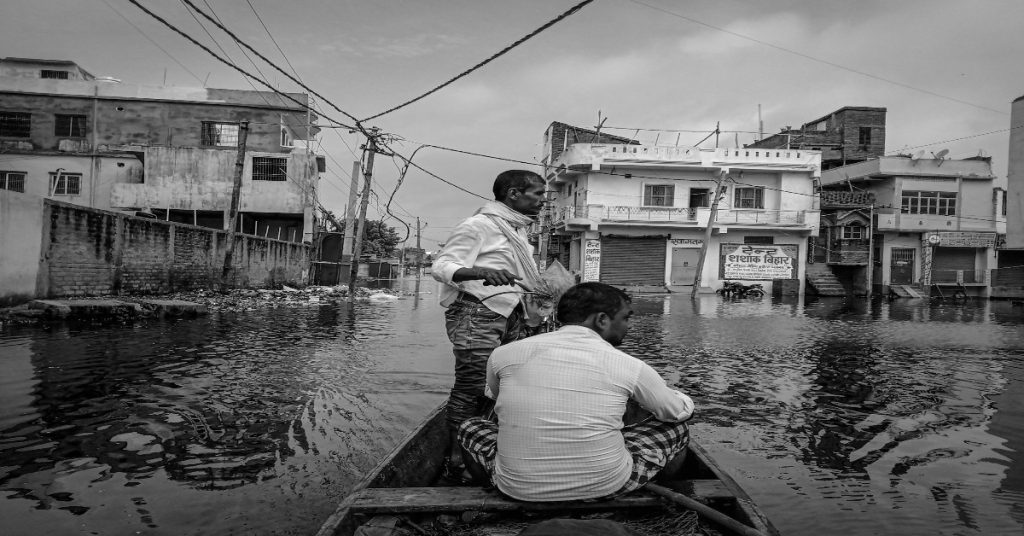
Disasters can strike anywhere, anytime, leaving devastation in their wake. Whether it’s a flood, earthquake, or pandemic, the impact is always severe. In India, we’re all too familiar with the destruction caused by natural calamities. The 2004 tsunami, the 2013 Uttarakhand floods, and the 2020 COVID-19 pandemic are just a few examples of disasters that have left a lasting impact on our country.

The Business Case for Disaster Relief
So, why should you include it in your CSR strategy? For starters, it’s a chance to give back to the community and make a tangible difference. When you support relief efforts, you’re not just helping those in need; you’re also building goodwill and trust with your customers, employees, and stakeholders.
Disaster relief can also be a smart business move. When you demonstrate your company’s commitment to social responsibility, you’re more likely to attract customers who share your values. Plus, your employees will be more engaged and motivated, knowing they’re working for a company that cares.
Pain Points: The Challenges of Disaster Relief
If you’re thinking, “Disaster relief sounds great, but it’s not my area of expertise,” you’re not alone. Many businesses struggle to get involved in relief efforts. Some common pain points include:
- Lack of resources
- Limited expertise
- Uncertainty about where to start
- Concerns about logistics and execution
Solutions: How to Get Involved in Disaster Relief
So, how can you overcome these challenges and make disaster relief a part of your CSR strategy? Here are a few solutions:
- Partner with established NGOs and relief organizations
- Offer employee volunteering opportunities
- Donate funds or resources
- Raise awareness about the disaster and the relief efforts
- Provide disaster training to your employees
Best Practices for Disaster Relief CSR
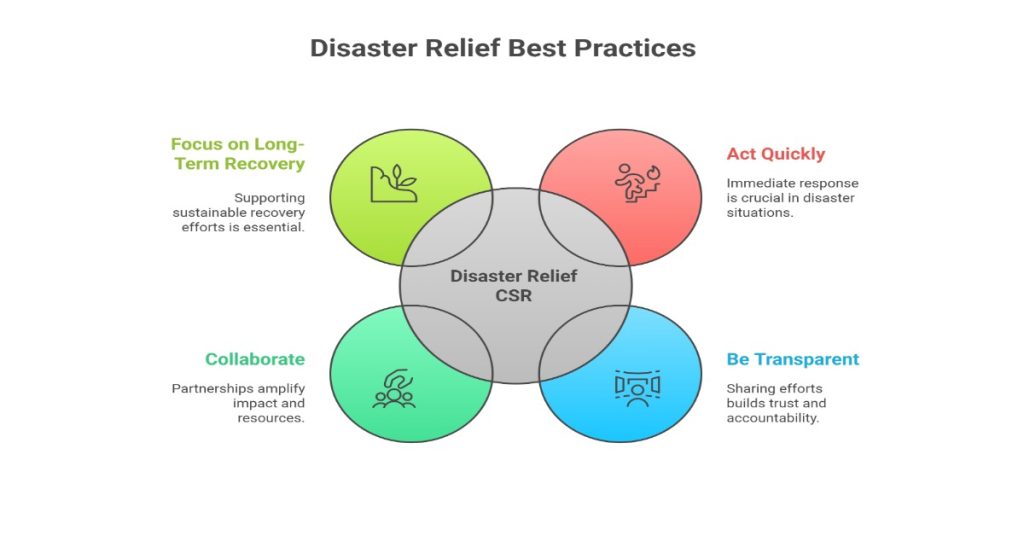
If you’re ready to get started, here are some best practices to keep in mind:
- Act quickly: Disasters require immediate response, so be prepared to act fast.
- Be transparent: Share your efforts and impact with stakeholders and customers.
- Collaborate with others: Partner with other businesses, NGOs, and government agencies to amplify your impact.
- Focus on long-term recovery: Disaster relief isn’t just about immediate response; it’s also about supporting long-term recovery efforts.
Examples of Successful Disaster Relief CSR Initiatives
- Tata Group‘s relief efforts during the 2013 Uttarakhand floods
- Infosys Foundation’s support for COVID-19 relief efforts
- Reliance Industries’ disaster relief initiatives in response to Cyclone Amphan
Read More
Why Do Millennials and Gen Z Prefer CSR-Focused Brands?

How NGOs Can Pitch Their Projects to Corporations for Maximum Funding?

Unlocking the Power of CSR: How NGOs Can Benefit from Corporate Funding?
Conclusion
Disaster relief is an important part of any CSR strategy. By getting involved, you can make a real difference, build goodwill, and boost your brand’s reputation. So, what are you waiting for? Start thinking about how you can incorporate it into your CSR efforts today!