
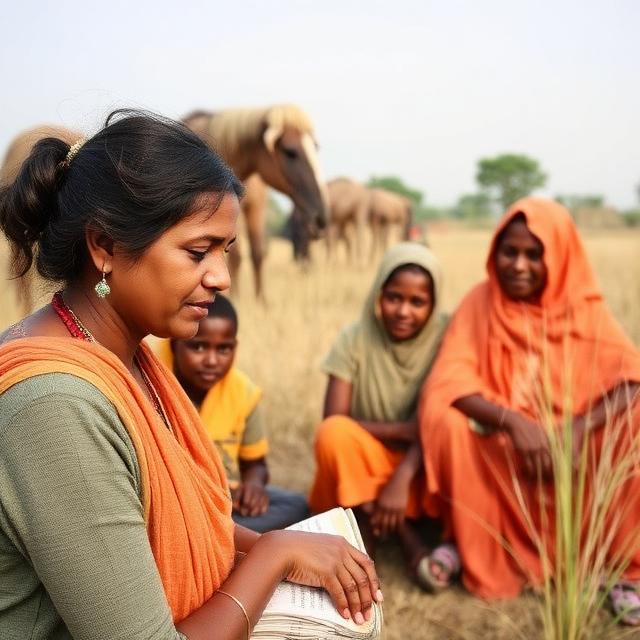
Power of Purpose: How NGOs Empower Communities and Create Sustainable Change
In a world where systemic gaps often leave the most vulnerable behind, Non-Governmental Organisations (NGOs) serve as the vital bridge between intention and impact. Far from being just “service providers,” modern NGOs act as catalysts that transform passive recipients into active stakeholders of their own destiny.
By focusing on community-led development, NGOs ensure that change isn’t just immediate—it’s enduring.
1. Shifting from Dependency to Self-Reliance
The most profound way NGOs empower communities is by dismantling the “charity model” and replacing it with capacity building. Longdom Publishing SL +1
- Skill Development: Instead of temporary relief, organizations provide vocational training in fields like agriculture, digital literacy, and entrepreneurship.
- Knowledge Transfer: By training locals as health workers or solar engineers, NGOs ensure that essential services remain available long after a specific project concludes.
- Economic Independence: Through the formation of Self-Help Groups (SHGs) and micro-credit initiatives, marginalized individuals gain the financial literacy and capital to start their own businesses.
2. The “Bottom-Up” Approach to Problem Solving
Unlike top-down government policies, grassroots NGOs operate directly within the communities they serve. This proximity allows for tailored solutions that respect local culture and environment.
- Grassroots Engagement: Local leaders are involved in every stage, from identifying needs to implementing solutions, which fosters a deep sense of community ownership.
- Innovation: Because they are more agile than large institutions, NGOs can pilot creative ideas—like low-cost water filters or mobile health clinics—that can later be scaled by the government.
krepublishers.com +2
3. Advocating for Systemic Policy Change
Empowerment isn’t just local; it’s legal and political. NGOs give a voice to the voiceless, holding powerful entities accountable.
- Amplifying Marginalized Voices: They act as intermediaries, helping underserved populations navigate complex bureaucracies to claim their fundamental human rights.
- Influencing Legislation: Environmental and social NGOs lobby for stricter regulations on pollution, gender equality, and fair labor practices, creating a more just framework for future generations.
4. Bridging the “Last Mile” Gap
In remote or disaster-stricken areas where state infrastructure fails, NGOs are often the first to arrive and the last to leave.
- Disaster Resilience: Beyond immediate relief, they help communities rebuild infrastructure that is climate-resilient, such as flood-tolerant housing or restored mangroves.
- Essential Service Delivery: They fill critical gaps in healthcare and education in “last-mile” villages, ensuring that no one is left behind in the nation’s progress.
FAQs: Understanding NGO Impact
What is the difference between a “charity” and a “sustainable NGO”?
A charity typically focuses on immediate, temporary relief (like giving food). A sustainable NGO focuses on root causes, providing tools and training so the community can eventually provide for themselves without external aid.
How do NGOs ensure they aren’t creating new dependencies?
By emphasizing community-led development. Projects are designed so that local committees eventually take over management, maintenance, and funding. LinkedIn +1
How can individuals support these efforts effectively?
Support goes beyond money. You can volunteer your skills (like marketing or legal advice), join advocacy campaigns, or use platforms like MY Bharat to find local grassroots initiatives. PolSci Institute +1
Are donations to NGOs in India tax-deductible?
Yes, most registered NGOs offer tax exemptions under Section 80G of the Income Tax Act, making your contribution both impactful and financially prudent.