
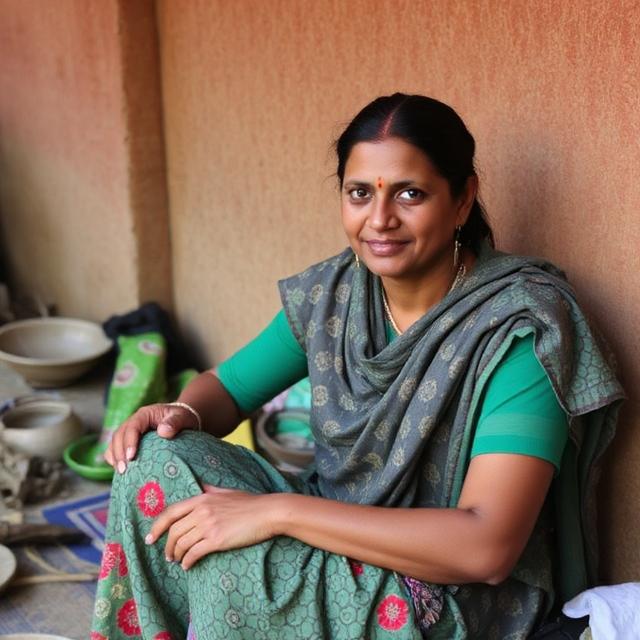
In the social and development sector, stories are our most valuable currency. They bridge the gap between a donor’s intention and a beneficiary’s reality. However, for too long, the default narrative of rural India has been one of “poverty tourism”—wide-angle shots of dusty faces, crumbling infrastructure, and a focus on what is missing rather than what is present.
At Vayam, we believe in Dignity-First Storytelling. This is an ethical framework that rejects extractive media and instead views the subject as the hero of their own journey. When we film in the villages of Bihar or the settlement colonies of Noida, we aren’t just “capturing content”; we are custodians of a person’s dignity.
The Problem: The Extractive Narrative
Traditional NGO communications often fall into the trap of “pity-based” marketing. This approach uses high-contrast imagery of suffering to trigger immediate guilt-based donations. While effective in the short term, it causes long-term damage:
- It strips agency: It suggests the individual is helpless without external intervention.
- It creates a “Savior Complex”: It positions the NGO as the hero and the community as the victim.
- It is dishonest: It ignores the immense resilience, innovation, and community structures already in place.
The Solution: The “Walking Buddha” Approach
To tell a story with “Impact @ Scale,” we must balance the rigor of data (the “what”) with human-centric empathy (the “how”). This leads to five core ethical pillars for rural storytelling.
Pillar 1: Informed Consent vs. Enthusiastic Agency
Standard consent is a signature on a form. Ethical consent is a conversation.
- The Practice: Before the camera leaves the bag, our teams spend time explaining why the story is being told, where it will be shown, and the potential impact.
- The Dignity Check: We ask, “If you saw this video in five years, would you feel proud of how you were portrayed?” We move from “Can I film you?” to “How would you like to tell your story?”
Pillar 2: The Hero’s Perspective (Camera Angles as Ethics)
Cinematography is a political choice. Where you place the camera dictates the power dynamic between the viewer and the subject.
- The Practice: Avoid “High-Angle” shots that look down on people, making them appear small or vulnerable.
- The Dignity Check: Shoot at eye-level or slightly low-angle. This conveys authority and strength. Show the subject in motion—working, teaching, or leading—rather than just sitting and waiting for help.
Pillar 3: Contextualizing the Struggle
Poverty is not a personality trait; it is a structural condition.
- The Practice: Never show a “problem” without showing the “reason” and the “response.” If we show a lack of clean water, we must also show the community’s efforts to manage resources or the systemic barriers they face.
- The Dignity Check: Does this video make the viewer think “Poor them” or “What a remarkable person fighting an unfair system”? The latter drives systemic change; the former only drives temporary charity.
Pillar 4: Language and the Voice of Authority
For a long time, NGO videos featured a “Voice of God” narrator—usually an urban, English-speaking voice—explaining the lives of rural people over their own muted voices.
- The Practice: Prioritize the subject’s own voice. Use subtitles rather than dubbing whenever possible.
- The Dignity Check: Let the farmer in Bihar or the student in Mamura explain their own aspirations. Our role is to provide the platform, not the script.
Pillar 5: Showing the “After” Without the “Magic Wand”
Development is a slow, difficult process. Showing “instant transformation” is a disservice to the reality of social work.
- The Practice: Be honest about the challenges. Show the student who struggles with a new AI tool before they master it.
- The Dignity Check: We celebrate incremental progress. Dignity lies in the effort of growth, not just the final certificate.
Strategic Impact: Why Dignity Wins
Beyond the moral argument, “Dignity-First” storytelling is a superior strategic move for organizations like Vayam and its partners.
| Feature | Pity-Based Storytelling | Dignity-First Storytelling |
| Donor Type | Impulse/Emotional Givers | Strategic/Long-term Partners |
| Community Relationship | Suspicious/Transactional | Collaborative/Trust-based |
| Brand Perception | “Fixer” of problems | “Accelerator” of potential |
| Sustainability | Short-term spikes | Long-term institutional support |
A Field Guide for the Vayam Team
When our field officers and MERL teams go into the 70 districts of Bihar and UP, they carry this checklist:
- The Handshake First: Spend 20 minutes talking without a camera. Build a bridge, not a set.
- The Setting: Show the subject in their “Power Space”—their shop, their farm, or their classroom.
- The Wardrobe: Never ask someone to look “poorer” or “more traditional” for the camera. Let them present themselves as they wish to be seen.
- The Review: If possible, show the subject the footage. Their “Aha!” moment is the best validation of our work.
Conclusion: Storytelling as an Act of Justice
For Vayam, storytelling is not a marketing function; it is an extension of our mission. By choosing to highlight the agency, intelligence, and resilience of the rural workforce, we challenge the stereotypes that hold them back.
When we look through the lens, we don’t see “beneficiaries.” We see partners in the “Impact @ Scale” journey. We see the Walking Buddha—someone with the data to prove change is possible and the heart to ensure that change is rooted in respect.