We’ve all seen the cycle. A high-profile social program launches with a ribbon-cutting ceremony, a catchy acronym, and millions in funding. For the first two years, the data looks promising. But visit that same project five years later, and you’ll often find abandoned community centers, dusty equipment, or a return to the status quo.
In the world of development, this is known as the “Sustainability Gap.” While we have become experts at the “sprint” of humanitarian intervention, we are still lagging in the “marathon” of systemic change.
If we want to move beyond band-aid solutions, we have to understand why these programs crumble and how we can build them to last.
The Anatomy of Failure: Why Good Intentions Aren’t Enough
Most social programs don’t fail because of a lack of heart; they fail because of a lack of structural foresight.
1. The “Top-Down” Trap
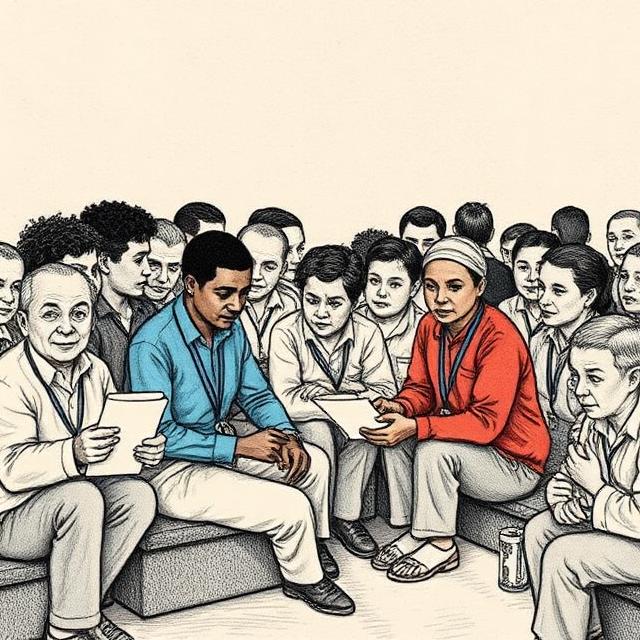
Many programs are designed in air-conditioned boardrooms far from the realities of the people they serve. When a solution is “parachuted” into a community without local consultation, there is no psychological ownership. If the community doesn’t feel like the program belongs to them, they won’t maintain it once the external funding dries up.
2. Funding Cycles vs. Social Cycles
Philanthropy and government grants often work on 12-to-24-month cycles. However, social change—like shifting cultural attitudes toward education or regenerative farming—takes a decade. When the “exit strategy” is dictated by a fiscal calendar rather than a social milestone, the program collapses prematurely.
3. Ignoring the Ecosystem
A program that provides free laptops to students but ignores the fact that the village has no reliable electricity is a classic example of siloed thinking. Social issues are interconnected; solving one in isolation usually leads to failure.
The Fix: Engineering for Longevity
To create lasting impact, we need to shift our framework from “charity” to “systems engineering.” Here are the three pillars of sustainable social design:
1. Build for “Exit” from Day One
True success for a social program is its own obsolescence. The goal should be to build a system that eventually functions without the founding organization.
- Local Leadership: Instead of bringing in outside experts, train “community champions.”
- Revenue Models: Can the program generate its own income? Moving from a “grant-only” model to a “social enterprise” model ensures the lights stay on.
2. The Feedback Loop: Iteration over Perfection
Rigid programs break; flexible programs evolve. Sustainable initiatives use Real-Time Data to pivot. If a vocational training program discovers that its graduates can’t find jobs because of a specific skill gap, the curriculum must change within weeks, not years.
3. Integration into Public Infrastructure
The gold standard for sustainability is institutionalization. A social program reaches its maximum potential when it is adopted by local or national governments and integrated into the public policy framework. This moves the program from a “project” to a “right.”
The Sustainability Formula
We can visualize the durability of a program using a simple relationship:
$$S = \frac{O \times L}{E}$$
Where:
- $S$ (Sustainability): The likelihood of the program lasting.
- $O$ (Ownership): How much the local community “owns” the initiative.
- $L$ (Localization): How well the solution fits the local culture and geography.
- $E$ (External Dependency): The amount of outside funding or expertise required to keep it running.
To increase $S$, we must maximize local ownership and fit while ruthlessly minimizing long-term external dependency.
Case Study: A Tale of Two Wells
Imagine two NGOs building water wells in a drought-prone region.
- NGO A brings in a foreign engineering team, installs a high-tech electric pump, and leaves. Six months later, the pump breaks. No one in the village knows how to fix it, and the replacement parts are only available in Europe. The well becomes a monument to failure.
- NGO B spends three months talking to the village elders. They install a simpler, manual pump. They train three local women as mechanics and provide them with a toolkit. They set up a small “water fee” that goes into a community repair fund. Ten years later, the well is still pumping.
NGO B didn’t just build a well; they built a system.
Conclusion: From Donors to Partners
The “fix” for failing social programs isn’t more money—it’s a change in power dynamics. We must stop viewing marginalized communities as “problems to be solved” and start viewing them as “partners to be empowered.”
When we stop measuring success by how much we give and start measuring it by how much remains after we leave, we will finally begin to solve the world’s most stubborn challenges.