

In a world where corporate responsibility is more vital than ever, the conversation surrounding Corporate Social Responsibility (CSR) reporting is gaining momentum. Stakeholders, from consumers to investors, are increasingly demanding transparency regarding how companies impact society and the environment. As a result, CSR reporting should be as rigorous as financial reporting. In this blog, we’ll delve into the reasons why this is essential, outline how organizations can achieve it, and explore the implications of robust CSR practices.
Understanding CSR: A Crucial Foundation
Corporate Social Responsibility refers to a company’s commitment to conducting business in an ethical manner. This includes social, environmental, and economic considerations. CSR initiatives can range from environmentally sustainable practices to enhancing worker welfare and community engagement.
The Evolving Landscape of Business
The business landscape has changed dramatically. Companies are now held accountable not only for their financial performance but also for their social and environmental footprints. With rising public awareness, organizations must integrate CSR into their core operations and strategies.

The Case for Rigorous CSR Reporting
While financial reporting has established standards, CSR reporting often lacks the same level of rigor. Here’s why this should change:
1. Stakeholder Trust and Reputation
Organizations that prioritize transparency gain trust from stakeholders. Detailed CSR reports reassure investors and consumers that the company is serious about its commitments.
2. Regulatory Compliance
Laws governing corporate behavior are tightening globally. Rigorous CSR reporting helps companies stay compliant with regulations while avoiding potential fines or legal issues.
3. Investor Demand
Investors are increasingly seeking out companies with robust CSR practices. A sound CSR strategy can enhance reputational value, leading to better investment opportunities.
4. Risk Management
Ignoring CSR can lead to reputational damage and financial loss. Rigorous reporting allows organizations to identify and manage risks associated with social and environmental issues.
5. Competitive Advantage
In this age of conscious consumerism, companies committed to social responsibility can distinguish themselves from competitors. Rigorous CSR reporting highlights these commitments, attracting socially minded consumers.
Addressing Common Misconceptions
There are several misconceptions surrounding CSR reporting:
- CSR is Optional: Some companies still view CSR as a sideline. In reality, it’s a fundamental aspect of a company’s success.
- Reporting is Just a Marketing Tool: While CSR can enhance brand image, substantive reporting provides genuine insights into a company’s efforts and impacts.
- One Size Fits All: CSR is not the same for every sector. Each industry must adapt its CSR reports to reflect relevant challenges and opportunities.

Key Components of Rigorous CSR Reporting
To ensure CSR reporting is as rigorous as financial reporting, companies need to focus on several key components:
1. Data Integrity
Just like financial reporting, accuracy is paramount. Companies should utilize reliable data sources, ensuring reports reflect true performance and impact.
2. Standardization
Adopting widely recognized frameworks, such as the Global Reporting Initiative (GRI) or Sustainability Accounting Standards Board (SASB) guidelines, can provide clarity and consistency in reporting.
3. Stakeholder Engagement
Engaging stakeholders in the reporting process ensures different perspectives are considered. This can include surveys, interviews, and public consultations.
4. Comprehensive Metrics
Companies should measure both qualitative and quantitative aspects of their CSR efforts. This includes social impact, environmental sustainability, and community engagement.
5. Transparent Communication
Clear and straightforward language should be used when presenting CSR reports. This helps ensure that all stakeholders, regardless of background, can understand the information.
Key Performance Indicators (KPIs)
Establishing KPIs for CSR initiatives is crucial. Examples of KPIs include:
- Carbon emissions reductions
- Community investment funds
- Employee volunteer hours
- Supply chain sustainability

Integrating CSR Reporting into Business Strategy
For CSR reporting to be truly rigorous, it needs to be integrated into the overall business strategy. This includes:
Aligning CSR Goals with Business Objectives
Companies should ensure that their CSR goals are not standalone. Instead, they should align with the broader business objectives, creating synergy between profitability and social responsibility.
Building a Culture of Responsibility
Creating a company culture that values CSR fosters accountability. When employees recognize the importance of CSR, they’re more likely to engage in initiatives.
Continuous Improvement
CSR is not a one-time effort. Companies should continuously assess and improve their CSR strategies and reporting practices. Regular reviews help adapt to changing expectations and challenges.
Real-World Examples of Rigorous CSR Reporting
Unilever
Unilever has been a frontrunner in CSR, creating a Sustainable Living Plan that integrates sustainability into every aspect of its business. Their comprehensive reports provide transparent insights into the company’s environmental and social impacts.
Patagonia
Patagonia emphasizes corporate responsibility through its commitment to environmental sustainability. Their CSR reports reflect their dedication, showcasing how they balance business success with ecological considerations.
Microsoft
Microsoft’s commitment to sustainability is apparent in its thorough CSR reporting. The company sets clear goals for reducing environmental impact and publicly shares its progress, enhancing transparency.

Challenges in Implementing Rigorous CSR Reporting
Despite the clear benefits, there are challenges organizations must overcome:
Resource Constraints
Smaller companies might find it challenging to invest in rigorous CSR reporting due to limited resources and expertise.
Complexity in Measurement
Measuring social and environmental impacts can be complex. Companies need to develop tools and methodologies for accurate measurement.
Resistance to Change
Implementing rigorous CSR practices often requires a cultural shift within an organization. Some employees may resist changes, necessitating effective change management strategies.
The Future of CSR Reporting
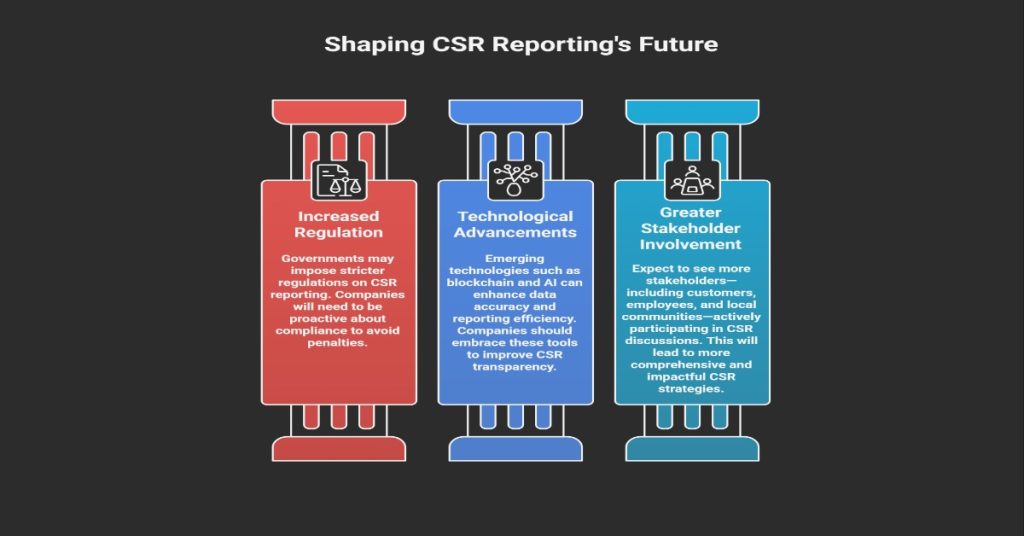
As stakeholders continue to demand greater transparency, the future of CSR reporting looks promising yet challenging. Here’s what to expect:
Increased Regulation
Governments may impose stricter regulations on CSR reporting. Companies will need to be proactive about compliance to avoid penalties.
Technological Advancements
Emerging technologies such as blockchain and AI can enhance data accuracy and reporting efficiency. Companies should embrace these tools to improve CSR transparency.
Greater Stakeholder Involvement
Expect to see more stakeholders—including customers, employees, and local communities—actively participating in CSR discussions. This will lead to more comprehensive and impactful CSR strategies.
People Also Ask (PAA) Questions
1. What is the importance of CSR reporting?
CSR reporting is essential as it demonstrates a company’s commitment to ethical practices, builds stakeholder trust, ensures regulatory compliance, and enhances investor appeal.
2. How can companies improve their CSR reporting?
Companies can improve their CSR reporting by ensuring data integrity, adopting standard frameworks, engaging stakeholders, establishing comprehensive metrics, and promoting transparent communication.
3. What are the challenges of CSR reporting?
Challenges include resource constraints, complexity in measuring impacts, and resistance to change. Companies must address these issues to implement rigorous CSR practices.
4. How does rigorous CSR reporting benefit companies?
Rigorous CSR reporting enhances trust and reputation, aids in risk management, attracts investors, and provides a competitive advantage in today’s conscious consumer market.
5. Is CSR reporting mandatory for all companies?
While not universally mandated, regulatory pressures are increasing for CSR disclosure, especially for publicly traded companies. It is essential for all companies to consider their responsibilities to stakeholders.
Read More
The Donor’s Due Diligence: Finding and Supporting Reliable NGOs Helping Girls

Building Bridges: Connecting Your NGO’s Mission with Corporate Responsibility

Why Disaster Relief Should Be Part of Your CSR Strategy?
Conclusion
In conclusion, CSR reporting should be as rigorous as financial reporting due to the growing expectations of stakeholders, regulatory demands, and the necessity of effective risk management. By adopting comprehensive and transparent reporting mechanisms, companies not only enhance their reputation and trust but also contribute positively to society.
As our understanding of corporate responsibility evolves, organizations must realize that rigorous CSR practices are not just a trend but a fundamental aspect of doing business in the 21st century. Embracing this change will pave the way for a more sustainable and equitable future for all.