
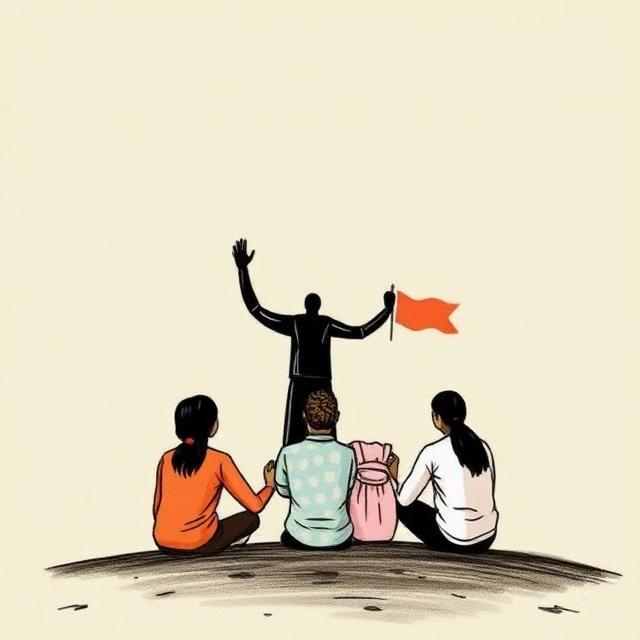
India is currently standing at a unique historical crossroads. With over 65% of its population under the age of 35 and more than 50% under 25, the nation holds the world’s largest youth demographic. This “Yuva Shakti” is not just a statistical advantage; it is India’s greatest national asset for driving innovation, strengthening democracy, and achieving the vision of a Viksit Bharat (Developed India) by 2047.
However, the transition from being a “demographic dividend” to a “leadership dividend” requires more than just numbers. It demands a deliberate investment in youth leadership.
1. Why Youth Leadership is the Key to India’s Progress
Youth leadership is indispensable for nurturing responsible citizens who can steer their communities toward a better future.
Driving Economic Innovation
Skilled and empowered youth are the primary drivers of India’s startup ecosystem. Young leaders bring fresh perspectives that challenge conventional approaches and foster technological breakthroughs in fields like AI, drone technology, and renewable energy.
- Startup India: This flagship initiative has recognized nearly 2 lakh startups as of late 2025, many of which are led by first-generation and rural innovators.
Strengthening Democratic Governance
India’s future depends on a political system that is responsive to the needs of the modern world. Youth leadership in governance ensures that perspectives on climate change, digital literacy, and social equity are prioritized.
- Viksit Bharat Young Leaders Dialogue (VBYLD): A platform designed to give young Indians a credible voice in national direction, involving millions of participants in policy discussions.
Promoting Social Stability
Investing in youth leadership helps provide direction to young people who might otherwise feel left behind. By engaging in community service and collective action, the risk of social unrest reduces, and the focus shifts toward nation-building.
2. 7 Essential Skills Every Young Indian Leader Must Learn in 2026
Modern leadership has evolved. It is no longer about control or charisma but about connection, clarity, and the ability to navigate complex environments.
1. Emotional Intelligence (EI)
Ranked as the most in-demand workplace skill for 2026, EI involves recognizing and managing your own emotions while empathizing with others.
- Why it matters: Teams led by emotionally intelligent leaders outperform others by up to 35% in productivity.
- How to build it: Practice active listening and regular self-reflection to understand personal triggers and responses.
2. Digital Literacy and Adaptability
In an era of rapid AI disruption, the most successful leaders are those who learn the fastest rather than those who know everything.
- The Skill: Comfort with AI-assisted workflows and the ability to pivot strategies when faced with new information.
3. Effective Communication
Communication in 2026 is about creating understanding across diverse digital and in-person environments.
- Actionable Tip: Use structured frameworks like PREP (Point → Reason → Example → Point) to convey ideas with impact.
4. Problem-Solving and Critical Thinking
Leaders must move beyond identifying issues to proposing actionable, ethical solutions.
- The “5 Whys” Technique: Next time a problem arises, ask “Why?” five times to uncover the root cause rather than just treating the symptom.
5. Ethical Decision-Making and Integrity
Integrity is the alignment between your values and your actions. In a complex world, leaders must make decisions that are not just profitable but socially responsible.
6. Collaboration and Team Building
Modern organizations are moving away from rigid departments toward multi-disciplinary teams. Leaders must foster “psychological safety” where everyone feels safe to speak up and innovate.
7. Financial Literacy and Resource Management
Especially for entrepreneurs, understanding money management and budgeting is a “technical leadership skill” that ensures long-term sustainability.
3. Challenges Facing Young Leaders in India
While the potential is vast, several systemic and psychological barriers exist:
- Political Barriers: High entry costs and a perception of politics as “unattractive” or corrupt often deter talented youth from joining active governance.
- Mental Health: Youth depression and stress are rising due to intense peer pressure and the competitive job market.
- Experience Gap: Many graduates have theoretical knowledge but lack the practical “knowing-doing” gap needed for real-life leadership.
4. Where to Start: Major Initiatives for Aspiring Leaders
Aspiring young leaders can leverage several government and non-profit platforms to hone their skills:
- Mera Yuva Bharat (MY Bharat): A technology-driven platform connecting youth with opportunities for volunteering, leadership, and skill development.
- National Service Scheme (NSS): Focuses on personality development through community service.
- Young Leaders for Active Citizenship (YLAC): Aims to increase youth participation in the policymaking process.
- Skill India Mission: Provides industry-relevant training in cutting-edge fields like robotics and AI.
FAQs: Youth Leadership in India
What is the age group for “Youth” in India?
The National Youth Policy (2014) defines youth as persons in the age group of 15–29 years.
How can I join the Viksit Bharat Young Leaders Dialogue?
Interested youth can participate through the MY Bharat portal, which hosts national-level challenges, hackathons, and innovation tracks.
What is the “Skill India” program?
It is a flagship mission to provide over 6 crore Indians with industry-relevant skills through schemes like the Pradhan Mantri Kaushal Vikas Yojana (PMKVY).
Are there leadership awards for young Indians?
Yes, the National Young Leaders Awards (NYLA) recognizes outstanding contributions in over 50 sectors, including rural development and environment conservation.