
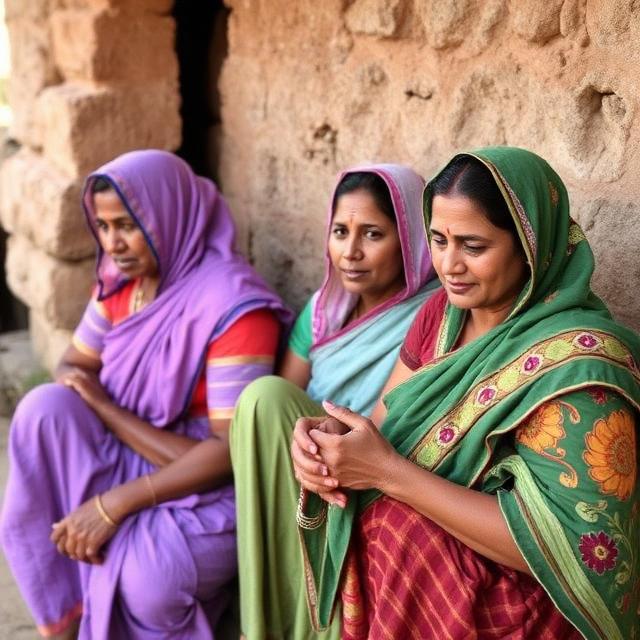
In the quiet lanes of rural India, a silent revolution is being scripted—not by corporations, but by collectives. Women-Led Self-Help Groups (SHGs) have evolved from simple micro-savings circles into the primary engines of India’s rural economic transformation.
As of 2026, this movement has moved beyond “poverty alleviation” into the realm of sophisticated entrepreneurship, proving that when women lead, the entire community prospers.
The Power of the Collective: A Triple-Impact Model
The success of SHGs under the Deendayal Antyodaya Yojana-National Rural Livelihoods Mission (DAY-NRLM) rests on three foundational pillars:
- Financial Sovereignty: By pooling small daily savings, women have created internal credit markets that bypass high-interest moneylenders. Today, SHGs are “bank-ready,” with the Lakhpati Didi initiative aiming to empower 3 crore women to earn an annual income of at least ₹1 lakh.
- Social Capital: SHGs act as a “safety net.” Members provide each other with more than just loans; they offer a platform for resolving social issues, from healthcare access to local governance participation.
- Entrepreneurial Scaling: We are seeing a shift from “individual vendors” to “Value Chain Leaders.” SHGs are now managing large-scale solar lamp assembly units, community-led “Didi ki Rasoi” canteens, and specialized food processing centers.
2026: The Digital & Tech Leap
The modern SHG is no longer “low-tech.” To stay competitive, these groups are embracing the digital frontier:
- E-Commerce Integration: Through platforms like the SARAS Mela portal, SHG products—ranging from organic millets to handcrafted textiles—are reaching global audiences.
- Drone Didis: Under the Namo Drone Didi Scheme, thousands of women are being trained as drone pilots to provide agricultural services like liquid fertilizer and pesticide spraying, turning a high-tech niche into a viable rural profession.
- Fintech Adoption: Digital bookkeeping via mobile apps has brought transparency to group accounts, making it easier for banks to approve larger enterprise loans.
Challenges: Navigating the Path to “Lakhpati” Status
While the momentum is strong, the journey faces critical hurdles:
- Market Volatility: Small-scale producers often struggle with price fluctuations in the open market.
- The “Double Burden”: Women often balance these burgeoning businesses with traditional domestic responsibilities, highlighting the need for better rural childcare and infrastructure.
- Last-Mile Logistics: High transportation costs from remote villages to urban hubs remain a significant barrier to profit margins.
The Vayam Perspective: Scaling with Systems
At Vayam, we understand that for an SHG to become a sustainable business, it requires more than just capital—it requires process integrity.
- Standardized Oversight: We advocate for “Research-as-Code” approaches in monitoring these groups, ensuring that data on their progress is reproducible and transparent.
- Institutional Memory: By documenting every transition—as detailed in our Continuity Protocols—we ensure that SHG federations remain stable even as leadership rotates.
Conclusion: The Future is Female and Rural
Women-led SHGs are proving that the most effective way to build a Resilient India is from the ground up. By blending traditional community values with modern technology and rigorous technical oversight, these women aren’t just participating in the economy; they are redefining it.
Frequently Asked Questions (FAQs)
- What is a Self-Help Group (SHG)?
An SHG is a voluntary group of 10–20 local women who pool their savings to provide small interest-bearing loans to members for emergencies or livelihoods. - What is the “Lakhpati Didi” scheme?
It is a government initiative to encourage women in SHGs to take up diverse micro-enterprises, with the goal of ensuring each woman earns at least ₹1 lakh per year. - How do drones help women in SHGs?
The Namo Drone Didi scheme trains women to operate drones for agricultural purposes, creating a new, high-paying service sector in rural areas. - Are SHG loans safe for banks?
Yes. SHGs have historically shown incredibly high repayment rates—often exceeding 95%—due to the strong social pressure and internal accountability of the group. - How can I buy products made by SHGs?
Many SHG products are available on the GeM Portal and specialized e-commerce sites like the e-SARAS app. - What is the role of a Cluster Level Federation (CLF)?
A CLF is the “parent” body that supports multiple SHGs in a region, providing them with larger loans, market linkages, and technical training. - How does Vayam support SHG initiatives?
Vayam provides the Technical Oversight and Impact Assessment frameworks needed to measure the actual socio-economic change these groups bring to a region. - Can SHGs help in climate-smart agriculture?
Absolutely. Many SHGs are now leading the transition to natural farming and managing community seed banks to preserve indigenous, climate-resilient crops. - What is the “Didi ki Rasoi” model?
It is a successful model where SHGs manage canteens in government hospitals and offices, providing nutritious, home-cooked food while generating steady employment. - What is the next big trend for SHGs in 2026?
The focus is shifting toward Digital Value Chains, where SHGs manage everything from the production and packaging to the digital marketing of their goods.